Strong grades are important. However, students who go on to study at top universities usually have something more, a real curiosity about their subject and the motivation to explore it independently. That’s where super-curricular activities come in.
Unlike extracurricular activities, such as sport or music, super-curricular learning is directly connected to academic interests. It’s about going beyond the school syllabus and spending time with ideas that genuinely interest you.
What Are Super-Curricular Activities?
Super-curricular activities might include:
• Reading around your subject, not just sticking to the textbook
• Attending lectures, webinars or academic events
• Completing an independent project or research task
• Taking part in structured summer courses or summer programmes
The emphasis is on academic exploration, developing subject knowledge, critical thinking, and the ability to engage with complex ideas.
Why Summer Programmes Are So Powerful
Of all the super-curricular options available, summer programmes can be particularly valuable because they offer time and structure. During the school year, it’s often difficult to fully immerse yourself in one subject. Summer creates that space.
High-quality Cambridge courses and international summer schools allow students to:
1. Go Beyond the Curriculum
Summer programmes create space to explore ideas that don’t usually fit into a standard timetable. Sessions are designed to introduce new perspectives, current debates, and real-world applications of academic subjects. Rather than repeating classroom content, students are encouraged to think more broadly, connecting theory to practice and seeing how their subject operates beyond exam specifications.
2. Build Academic Confidence
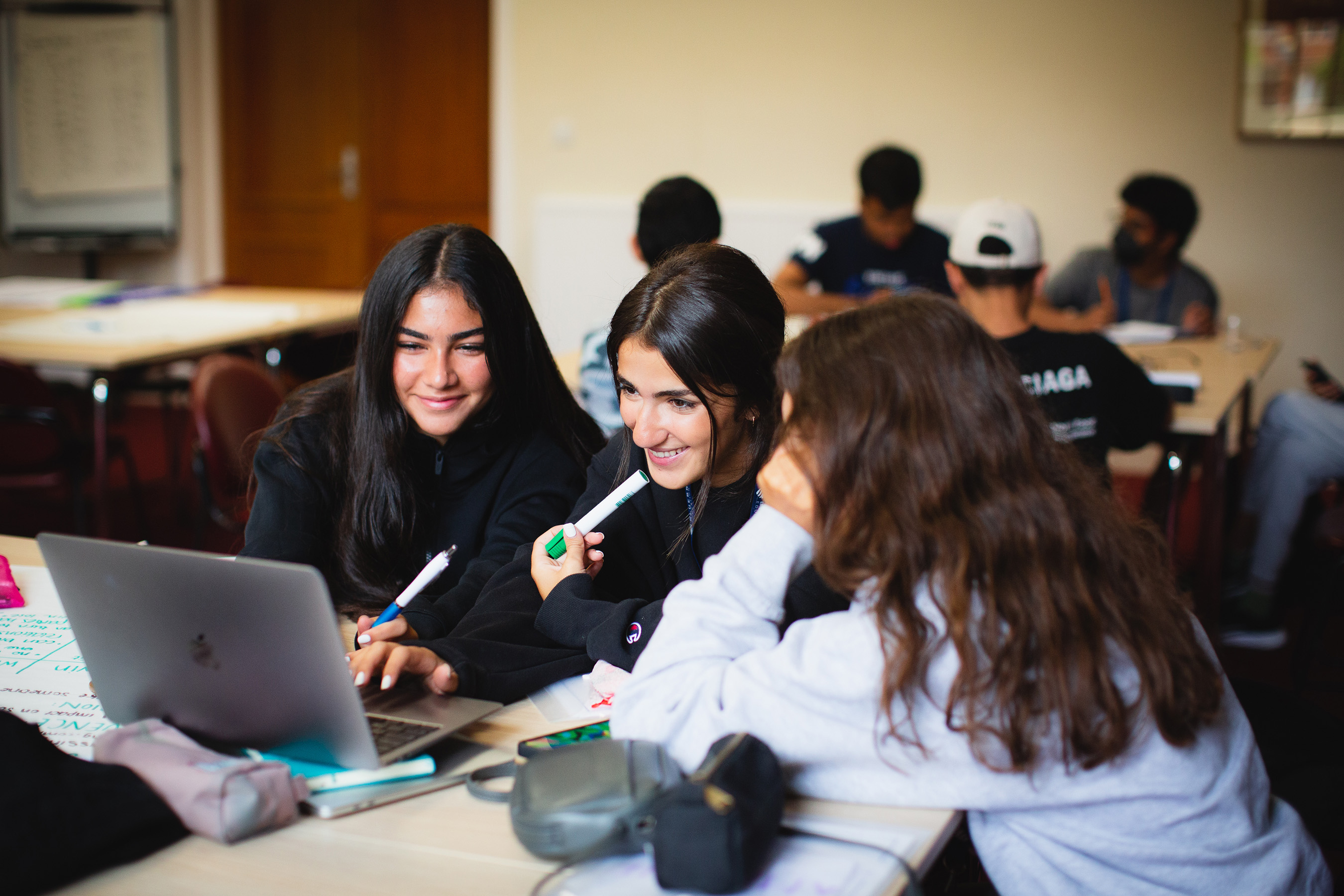
Small-group teaching, discussion-based seminars, and project work push students to explain their thinking clearly, question assumptions and defend their ideas.
3. Strengthen an Academic Portfolio
Essays, projects and presentations completed during summer programmes can form part of a developing academic portfolio, evidence of sustained engagement with a subject over time.
4. Global Perspective
Summer courses often bring together students from different schools and countries. The conversations that happen outside the classroom can be just as valuable as the formal teaching.
Building Intellectual Independence
Super-curricular engagement isn’t about collecting certificates. It’s about thinking more deeply.
Students might reflect on questions such as:
• What did I learn that surprised me?
• Which ideas did I disagree with, and why?
• What would I like to explore next?
Over time, this habit of questioning and reflection builds intellectual independence, the kind of mindset that underpins success on demanding Cambridge courses and other programmes at top universities.
At BlueBridge Education, our summer courses are designed to create exactly this kind of environment, one where curiosity is encouraged, ideas are challenged, and students leave with both deeper knowledge and greater confidence.
Explore your opportuninties!
Programmes for High Scool Students
Contact our Team to book a free consultation!
)%20(17).jpg)
)%20(11).jpg)
)%20(9).jpg)
)%20(5).jpg)